
An invisible threat that invades our bodies and daily lives: Parasites…
페이지 정보
작성자 playbbs 작성일 26-06-14 00:17 조회 75 댓글 0본문
An invisible threat that invades our bodies and daily lives: Parasites and modern human health report
Written on: June 14, 2026 | Column by current affairs critic specializing in IT/media
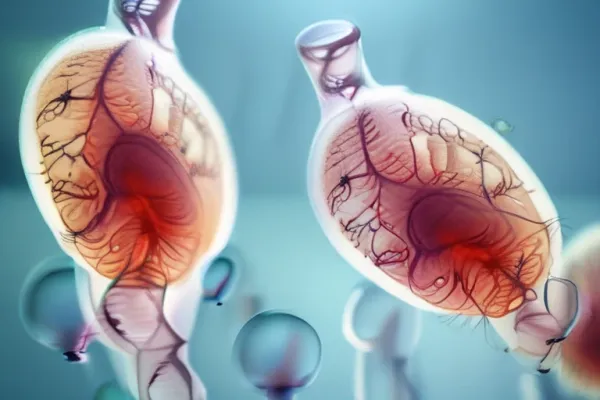
We often believe that modern civilization has reached the pinnacle of hygiene and health, and we are optimistic that we are safe from classic diseases such as parasites. However, shocking cases recently reported in the medical community clearly show how trivial eating habits and environmental factors that we ignore can create fatal cracks inside the body. From parasites discovered in the brain to infections causing malnutrition in rural areas, the reality of these microscopic invaders occurring in unseen places sharply points out the ‘blind spot of safety’ that modern people are overlooking. Today we'd like to take a closer look at how these parasites are shaking our control over our lives, and how technological advancements can protect us from these threats.
The case of a man in his 50s recently reported to the American medical community clearly shows how easygoing habits at the dinner table can lead to dangerous consequences. This patient had a habit of eating bacon that was not cooked to a crisp, but after visiting the hospital due to persistent headaches, he was diagnosed with ‘neurocysticercosis,’ a condition in which parasitic larvae had settled throughout the brain’s neural network. According to the medical team's analysis, it appears that intestinal tapeworm infection occurred primarily through undercooked pork, followed by self-infection through feces due to poor hand hygiene, and the parasites penetrated the blood vessels and into the brain. This suggests that simply not eating raw food is not enough, and that perfect heating during the cooking process and personal hygiene are essential conditions for maintaining brain health.
The threat of parasites is not limited to developed countries, and may unfold in completely different ways depending on the uniqueness of food culture. A case of intestinal capillaria in a farmer in his 30s reported in India warns of the risk of severe malnutrition and chronic diarrhea that occurs when eating freshwater fish that is not properly prepared or cooked. This man's survival was threatened, with rapid weight loss and general weakness. Fortunately, he was able to recover dramatically by discovering parasite eggs through a precise microscopic examination of his stool and administering appropriate anthelmintic medication. This incident leaves us with a lesson that the more ingredients obtained from nature, the more stringent cooking standards should be applied, and that if unexplained weight loss or chronic disease occurs, the possibility of parasitic infection should not be ruled out and a professional diagnosis should be sought.
The threat of parasites extends beyond the human body to the entire ecosystem, especially bees, which are the key to food production, and technological responses to combat this are also rapidly evolving. ‘Mites’, microscopic parasites of about 1mm in size that threaten the survival of bees, cause enormous economic losses to beekeeping farms and have been pointed out as the main culprit of overwintering deaths. The ‘AI-based bee mite automatic detection device’ developed by the Rural Development Administration replaces the existing inefficiency of beekeepers inspecting beehive boards with the naked eye for several minutes with rapid video analysis in about 30 seconds, increasing the accuracy to 97.8%. These data-based smart beekeeping technologies go beyond simply exterminating pests and play an important role in protecting the pollinators of the fruit trees and horticultural crops we eat, ultimately solidifying the human food safety net.
Meanwhile, another aspect that comes to mind when we come across the word parasite is the individual's struggle with popular culture. If the movie ‘Parasite’ created a global sensation by capturing the metaphor of social class conflict, actress Park So-dam’s fight against thyroid cancer can be said to be a record of her fight at another level that shows how physical illness matures a person’s inner self. She lost her voice and went through a slump in the face of the huge ordeal of cancer, but through this, she learned how to take care of herself and redefined her life by traveling to unfamiliar environments. In this way, the word parasite exists among us in various forms, sometimes as a real threat attacking our bodies, sometimes as an artistic symbol, and sometimes as a philosophical question about our attitude toward life's hardships.
■ Conclusion and analysis outlook
Ultimately, the war against parasites surrounding us is summarized in three pillars: hygienic cooking habits, thorough personal hygiene, and protecting the ecosystem through technology. The physical threat posed by undercooked bacon or freshwater fish raises awareness, and AI technology helping bee farmers shows how we can use scientific methodology to control invisible enemies. Additionally, the narrative of an individual growing up while experiencing an illness reminds us that not only physical health, but also mental health is an important value in life. We will continue to be more sensitive to all factors that harm our health, from small habits at the table to the introduction of cutting-edge technology, and we will have to keep our lives safe.
* This post is an analysis column that is automatically recreated in the style of a current affairs critic's commentary by analyzing real-time Google Trends popular search terms and related major articles.
댓글목록 0
등록된 댓글이 없습니다.