
The return of Samsung Semiconductor, the prelude to a thorough counter…
页面信息

文本
The return of Samsung Semiconductor, the beginning of a thorough counterattack towards the ‘HBM super gap’
Written on: June 22, 2026 | Column by current affairs critic specializing in IT/media
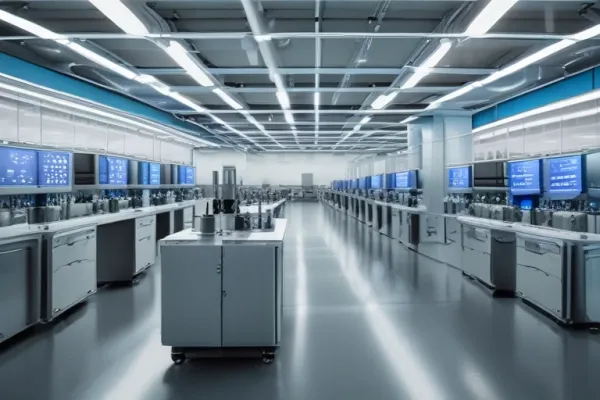
Samsung Electronics, which once ruled the memory empire, has once again overcome strong waves and embarked on a grand voyage into the AI era. Over the past year, the market has cast doubt on Samsung's HBM competitiveness, but under Vice Chairman Jeon Young-hyun's regime, Samsung has eliminated internal inefficiencies and is once again revealing its overwhelming technological presence. Samsung's strategic move to go beyond simply regaining its past glory and establish itself as a key axis of future AI infrastructure through strategic alliances with global big tech companies, including NVIDIA, is being carried out more urgently and meticulously than ever before.
The recent global strategy meeting of Samsung Electronics' Semiconductor Division (DS) was a critical turning point that will determine Samsung's future. The key agenda of this meeting, chaired by Vice Chairman Jeon Young-hyun, was to restore the dominance of high-bandwidth memory (HBM) and to dominate the market for the next-generation product lines, HBM4 and HBM4E. Samsung goes beyond simply producing products and is putting its life and death into building a customized supply chain that meets the stringent requirements of its customers. In particular, in the current situation where demand from global giants such as NVIDIA, AMD, and Google is rapidly increasing, Samsung is focusing on securing supply stability by reorganizing its volume distribution strategy and strict quality verification process. This is interpreted as an expression of Samsung's strong will to go beyond a simple memory manufacturer and become a 'solution partner' that maximizes the performance of its customers' AI accelerators.
Long-term supply agreement (LTA) is a powerful strategy used by Samsung Electronics to regain leadership in the AI semiconductor market. As memory supply shortages become chronic due to the explosive growth of the AI industry, big tech companies tend to prefer long-term contracts lasting several years to secure stable supplies. Samsung Electronics has quickly accepted these market demands and has already secured business visibility and stability by signing multi-year supply contracts with some key customers. These strategies serve as a critical foundation for reducing short-term sales volatility and establishing large-scale investment plans in the mid to long term. As a result, Samsung's strategy is to maximize the lock-in effect of tightly binding customers to its ecosystem through long-term partnerships.
The recent meeting with NVIDIA CEO Jensen Huang was a symbolic event that proved that Samsung's semiconductor technology is still at the top level in the world. In a conversation with Jensen Huang, Vice Chairman Young-Hyun Jeon shared the next-generation memory roadmap leading to HBM4E and HBM5, expanding the scope of comprehensive cooperation beyond simple memory supply to include the foundry sector. In particular, discussions on process cooperation in the areas of autonomous driving chips and accelerators clearly demonstrate how strong Samsung Electronics' strengths are as an 'integrated semiconductor company (IDM).' Rather than being conscious of competitors' challenges, Samsung expressed confidence that it will prove its own technological perfection by improving its own results, which suggests that its future partnership with NVIDIA may go beyond a simple transaction relationship and develop into a core community in the AI ecosystem.
In addition to the semiconductor business, Samsung Electronics is accelerating company-wide innovation in the era of AI transformation (AX). The meeting with OpenAI CEO Sam Altman and the in-house special lecture show that Samsung Electronics is internally considering how to integrate artificial intelligence into its work processes and maximize productivity. Additionally, in the home appliance sector, we are supplying AI-based, high-efficiency air conditioning solutions to emerging premium markets such as India, demonstrating how technology can be integrated with real living spaces. These multifaceted actions mean that Samsung Electronics is not simply a company that sells hardware, but is evolving into a huge 'AI platform company' that fundamentally changes human life and the structure of industry through AI technology.
■ Conclusion and analysis outlook
Samsung Electronics is currently passing a huge turning point in its quest to capture two birds with one stone: technological pride and market share. Under Vice Chairman Jeon Young-hyun, Samsung's strategy of increasing organizational cohesion, building long-term trust with customers, and putting next-generation HBM technology at the forefront is now slowly bearing fruit. As the competition for global technological hegemony intensifies, Samsung Electronics' meticulous supply chain strategy and innovative technology roadmap give us confidence that the Korean semiconductor industry can lead the AI era. There is no doubt that the upcoming report card in the HBM4E and HBM5 markets will signal the 'second heyday' of Samsung Semiconductor.
* This post is a commentary by PlayBBS that analyzed real-time Google Trends popular search terms and related major articles.
- 上一篇文章In the era of Text-Hip, how do bookstores occupy readers’ daily lives? 26.06.22
- 下一篇文章The tyranny of ‘super power’, the outsourcing of risks forced on dealers by Doosan Bobcat Korea 26.06.22
评论列表
没有注册评论。