
Is it the end of the AI rally or a breather: The true nature of the …
thông tin trang

chữ
Is it the end of the AI rally or a breather: The true nature of the ‘semiconductor shock’ that shook the global stock market
Written on: June 25, 2026 | Column by current affairs critic specializing in IT/media
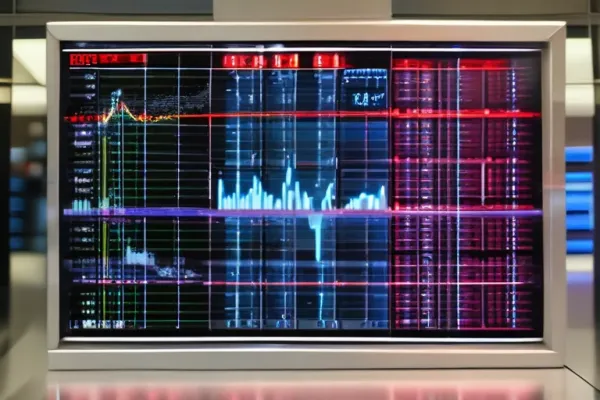
The artificial intelligence (AI) craze that has thrilled investors around the world over the past few years has been put to a huge test. The technology stock rally, which has been dominated by the belief that 'if you buy it, it will rise', has recently shown rapid volatility in the face of strong profit-taking selling across global markets, starting with the Korean stock market. This market, as if the brakes were suddenly put on a speeding locomotive, goes beyond a temporary decline and raises fundamental questions about whether the premium we paid for the future value of AI is truly justified. Now that market fears and expectations are intersecting, we need to closely analyze whether we are truly witnessing the collapse of a bubble after the golden age of technology stocks, or whether we are going through an inevitable adjustment process for stronger growth.
This market plunge is in the nature of a chain reaction that started in the Korean stock market and spread around the world. In particular, the incident in which SK Hynix, a key supplier in the AI memory semiconductor market, plunged more than 12%, lowering the KOSPI index by nearly 10%, caused a great shock to global investors. This sell-off phenomenon in Korea, coupled with the liquidation of high leverage positions and large-scale redemptions in semiconductor-related ETFs, amplified selling pressure, and this fire immediately spread to Japan's Nikkei index, European technology stocks, and the Nasdaq in the New York stock market. Investors began to have serious doubts about whether AI data center infrastructure investments led by big tech companies such as NVIDIA would actually lead to improvements in companies' profitability, which eventually led to a readjustment of the valuation of technology stocks in general.
Market instability was not simply limited to semiconductors, but also spread to all risky assets such as cryptocurrency. Bitcoin, which showed a high correlation with technology stocks, was hit hard by a decline in investment sentiment, with the $60,000 level threatened in line with the sharp drop in Nasdaq futures. Some point out that companies' aggressive AI investments are largely dependent on debt, and warn that the current macroeconomic environment, including the possibility of interest rate hikes, could be fatal to future value-oriented growth stocks. In fact, as companies such as Broadcom released performance that did not meet market expectations, Wall Street's cynical assessment that 'AI was not expensive but that there were too many people crowded into it' became the dominant sentiment in the market.
However, not all technology stocks collapsed, and clear differentiation is emerging within the market. Large technology stocks such as Microsoft and Amazon maintained a relatively solid trend, and a typical 'risk-averse' market was clearly observed, with funds moving to traditional defensive stocks such as Walmart and Johnson & Johnson. In addition, individual companies with specific issues, such as Rokit Healthcare, recorded upper price limits based on the positive news of their US subsidiary's listing on Nasdaq, regardless of the market's downward trend, showing strong market characteristics of individual stocks. This is interpreted as a signal that investors are moving away from the existing investment method of relying only on vague AI themes and have begun to more carefully examine the company's actual fundamentals and individual growth momentum.
The turning point was found in Micron Technology's earnings announcement. Contrary to market concerns, Micron presented performance forecasts that significantly exceeded expectations, proving that demand for memory semiconductors for AI data centers is still strong. This news raised Micron's stock price by nearly 10% in after-hours trading and returned major index futures, including Nasdaq futures, to an upward trend, suggesting that the recent plunge was a process of resolving overheated positions rather than damage to fundamentals. Experts maintain an optimistic outlook that although short-term volatility is unavoidable, the market will eventually stabilize again as long as companies prove growth through performance.
■ Conclusion and analysis outlook
In conclusion, it is reasonable to view this market adjustment not as the end of the huge trend called the AI revolution, but as part of the healthy overheating that occurred during the process. The market is now moving away from the vague promise of ‘future expectations’ and calling companies to the harsh test of ‘current performance’. It is time for investors to take a cautious approach by verifying the company's financial status and actual AI profit model, rather than reckless chase buying relying on leverage. Volatility is still high, but as demand for data centers and AI infrastructure has been confirmed to be solid, the market is once again preparing for a differentiated upturn centered on performance.
* This post is a commentary by PlayBBS that analyzed real-time Google Trends popular search terms and related major articles.
- Bài đăng trướcMiami fever, waves of Brazilian samba football pierce Scotland's shield 26.06.25
- bài đăng tiếp theoA warning left by a night when the film was cut off: Baek Jin-hee’s confession of the fear of ‘blackout’ and its aftermath 26.06.25
Danh sách bình luận
Không có ý kiến được đăng ký.