
Is it the end of the AI rally or a temporary adjustment: Diagnosis o…
ข้อมูลหน้า

ข้อความ
Is the AI rally coming to an end or a temporary adjustment: Diagnosis of the turbulent global semiconductor market?
Written on: June 24, 2026 | Column by current affairs critic specializing in IT/media
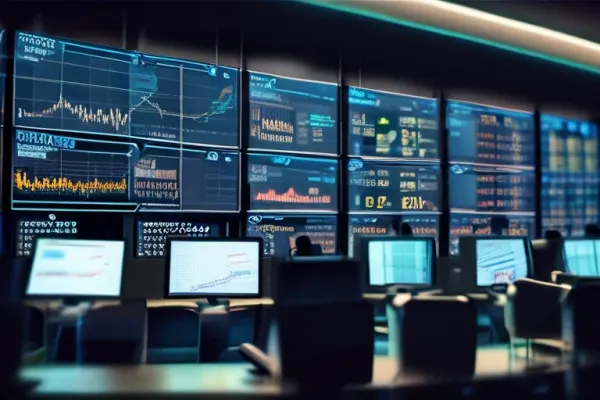
Recently, the global financial market has been showing rapid volatility like a roller coaster, making investors feel depressed. Not long ago, the unstoppable run of technology stocks, led by the artificial intelligence (AI) revolution, dominated the market, but now that spectacular rally is mired in controversy over excessive bubbles and is facing a fierce selling storm. In particular, following record-breaking declines by Korea's Samsung Electronics and SK Hynix, and with key semiconductor companies in the U.S. market falling like dominoes, investors are deeply concerned about whether the current market situation is a simple temporary adjustment or the prelude to a major decline.
The trigger for this market decline was Micron Technology's sharp decline ahead of its earnings announcement and the subsequent decline in investment sentiment across the semiconductor sector. The fact that Micron plunged more than 13% and lowered the Philadelphia Semiconductor Index by nearly 8% suggests that the high expectations the market had placed on AI semiconductors have reached a breaking point. The fact that major technology stocks, including NVIDIA and TSMC, have been unable to avoid a downward trend is interpreted as evidence that the market as a whole is beginning to feel the ‘pressure of high points’ for AI technology stocks, rather than simply bad news for individual companies. Wall Street experts are paying attention to the fact that the sell-off phenomenon that occurred in the domestic stock market has spread to the U.S. market, and are warning that the increased volatility of technology stocks has become a structural risk that can no longer be ignored.
On the other hand, even amid this decline in technology stocks, the Dow Jones Industrial Average showed a contrast by maintaining a relatively solid trend. This means that the phenomenon of ‘industry differentiation’, in which market funds are moving out of technology stocks and into cyclical or blue-chip stocks, and pharmaceutical and healthcare-related industries, is becoming more evident. In fact, Caterpillar, large banking stocks, and pharmaceutical stocks such as Amgen led the upward trend and played a role in offsetting the Nasdaq's sharp decline. This phenomenon clearly shows a change in the market structure, in which investors are turning to traditional blue-chip stocks with real performance and economic defense rather than betting on vague growth potential.
From a macroeconomic perspective, the direction of the Federal Reserve's (Fed's) monetary policy serves as the biggest uncertainty in the market. Recently, reports containing hawkish forecasts that the Federal Reserve could raise interest rates three times this year have put pressure on the market, dealing a fatal blow to the valuation of technology stocks that were expecting interest rates to be lowered. In particular, as the first monetary policy meeting since the inauguration of the new Federal Reserve Chairman Wash approaches, the market is paying close attention to the possibility of interest rates being frozen or further increased in the future. Fears that the high interest rate period may last longer than expected are causing the future earnings value of technology stocks to be discounted, which in turn is causing the VIX, the market-wide volatility index, to surge.
Meanwhile, the case of SpaceX, which emerged as a new variable in the market, clearly shows the two sides of the investment market. Space This symbolically represents how rapidly investors’ expectations for newly listed or themed stocks can change. Additionally, changes in constituent stocks, such as Alphabet's inclusion in the Dow, show that the industry structure in the market is being reorganized around blue-chip stocks, implying that investors are now evaluating a company's influence and stable dominance as more important than vague new technologies.
■ Conclusion and analysis outlook
In conclusion, the current stock market is going through a painful adjustment process of removing the ‘bubbles’ left behind by the huge wave of AI. As the rally centered on technology stocks came to a halt, fears of interest rate hikes and strict standards for performance have come in, and the market is now starting to pick the right stone. The direction of the market in the future will not simply depend on whether technology stocks rebound, but on how flexible the Federal Reserve's monetary policy will be and how solidly traditional blue-chip stocks can replace technology stocks to defend against the downside of the market. Rather than viewing the current volatility simply as an object of fear, investors should recognize it as an inflection point where the market paradigm shifts from growth stocks to value stocks and reorganize their response strategies.
* This post is a commentary by PlayBBS that analyzed real-time Google Trends popular search terms and related major articles.
- โพสต์ก่อนหน้าOne minute that awakens the brain and the 100-year miracle created by muscles: The power of ‘substance’ that penetrates health and politics 26.06.24
- โพสต์ถัดไปA cruel shadow behind the splendid stage: a tragedy brought on by crooked fans 26.06.24
รายการความคิดเห็น
ไม่มีความคิดเห็นที่ลงทะเบียน