
On the stage of the World Cup, a new K-culture narrative written by ha…
페이지 정보
작성자 playbbs 작성일 26-06-24 03:02 조회 1,106 댓글 0본문
A new K-culture narrative written by hanbok and sneakers on the stage of the World Cup
Written on: June 24, 2026 | Column by current affairs critic specializing in IT/media
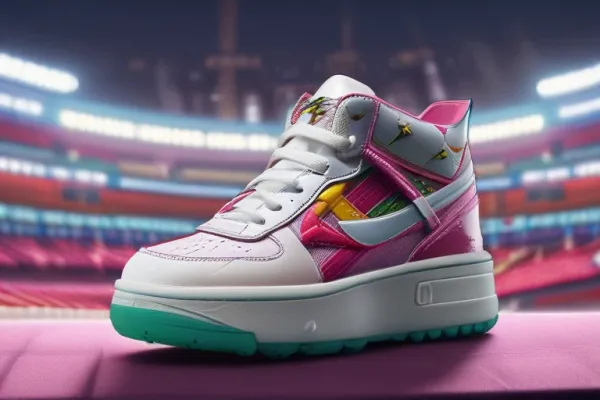
The 2026 North and Central America World Cup went beyond a simple sports festival and became a huge showcase showing how Korea's cultural status is changing at the center of the world. While the cheering culture of shouting and singing along that filled the square in the past is gradually evolving into a personalized form of digital consumption, K-pop stars have now broken out of the framework of cheering songs and stand tall as the protagonists of the official stage watched by people all over the world. In particular, the powerful performance shown at the opening ceremony and the Korean aesthetics contained within it are more than just a sight to see, leaving a deep impression on soccer fans around the world and presenting a new cultural milestone.
The person who became the most talked about person at the opening ceremony of this World Cup was definitely singer Lee Jae. She proved her presence as a global pop icon by passionately singing the official theme song ‘DNA’ with world-renowned vocalist Andrea Bocelli. Above all, what captured the public's attention was her unconventional fashion style. Under a rich dress that was a modern reinterpretation of Hanbok, a traditional Korean costume, she boldly wore sneakers. This received great praise from fans as it was revealed that it was more than just a fashion mix and match, but a thoughtful choice to prevent the stage grass from being damaged during the performance. This meticulous attitude has been evaluated as capturing both aesthetic beauty and practical value, and has become a symbolic example of the cultural maturity of Korean artists.
In terms of music, this World Cup also has special meaning. Among the lyrics of ‘DNA’ written by Jae Lee himself, the Korean phrase “Even if I fall again, I get up again” resonated around the world, proving that the emotions and messages of the Korean language are being accepted as the language of global popular culture. The Federation of International Football Associations (FIFA) also cheered for the Korean team by placing the words ‘num’, ‘uh’, ‘jeo’, ‘do’, ‘da’, and ‘si’ in the form of a slide along with photos of the players through its official SNS. This went beyond a simple promotional activity and showed a sophisticated communication method that borrowed the message of the official World Cup theme song to provide warm consolation and hope for recovery to a team in crisis. This trend means that K-pop has evolved beyond simply listening music into a powerful narrative tool that forms a consensus among people around the world.
Meanwhile, Korea's cultural influence is expanding beyond the sports stage of the World Cup to the mainstream art world, such as the Grammy Awards. The Grammys recently established the ‘Best Asian Pop Music Performance’ category, officially recognizing the influence of the Asian music market. This is the result of the efforts of numerous K-pop artists, including BTS, and suggests that Asian popular music has become an essential component of the global market. In addition, local governments such as Jecheon City are reexamining the value of cultural assets that received attention through BTS's video and promoting their return, creating a new virtuous cycle that combines popular culture and traditional culture to increase the value of the region.
However, behind these brilliant achievements, there are also points that we need to consider. The explosive cheering enthusiasm of ‘Oh, Victory Korea’ that united the entire nation during the 2002 Korea-Japan World Cup is gradually fading due to changes in the media environment and a performance-oriented perspective centered on elite sports. The public now consumes matches through personalized digital platforms rather than street cheering, and tends to repeatedly consume past nostalgia rather than new cheer songs. Experts analyze that this phenomenon does not simply mean that the enthusiasm has cooled, but that the way of enjoying sports itself has shifted from ‘collective ritual’ to ‘individual content enjoyment’. In this environment, K-pop is filling the void as the core performance content of the World Cup and acting as a new engine that imprints the Korean brand on the world.
■ Conclusion and analysis outlook
The 2026 North and Central America World Cup has become a venue for Korea to solidify its identity as a ‘cultural powerhouse’ beyond a sports powerhouse. The sight of the artist walking around the stage wearing a hanbok and sneakers symbolizes the future of Korean culture where tradition and modernity, practicality and aesthetics harmonize. Now, Korea is expanding into new territories not only through players who compete for victory or loss on the World Cup stadium, but also through artists who deliver messages of comfort and inspiration to people around the world on stage. In the future, new tasks remain: what kind of new narrative K-culture will write in keeping with the changes of the times, and how we will preserve and develop that culture.
* This post is a commentary by PlayBBS that analyzed real-time Google Trends popular search terms and related major articles.
- 이전글 Portugal's excitement heats up Houston, ushering in the 2026 World Cup Group K
- 다음글 The return of a legend that brightened Houston's nights: The narrative of Portugal and Uzbekistan at the 2026 World Cup
댓글목록 0
등록된 댓글이 없습니다.