
South Korean Stock Market on a Rollercoaster: A Record of the ‘Black M…
페이지 정보

본문
The Korean Stock Market on a Rollercoaster: A Record of the 'Black Monday' Nightmare and a Breathless Rebound
Date: June 10, 2026 | Column by IT/Media Current Affairs Critic
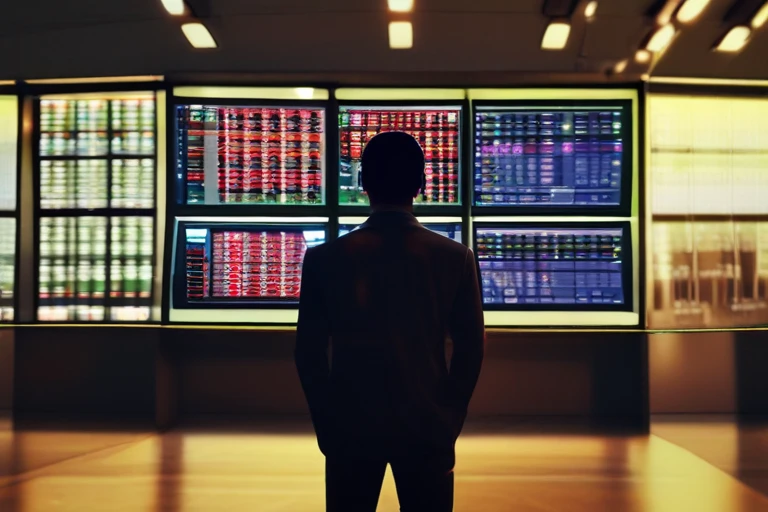
The stock market is fluctuating like a living organism, chilling the hearts of investors. The KOSPI and KOSDAQ indices, which faced a 'Black Monday' due to panic selling the previous day, have plunged the market into confusion by staging a dramatic rebound in just one day. The extreme volatility—where the index plummeted by nearly 8% only to soar by over 8% again—is placing immense psychological pressure on market participants. Where does this volatility end, and at what inflection point does our stock market currently stand? We will conduct an in-depth analysis of the current state of the domestic stock market, which has narrowly escaped the brink, and the complex dynamics hidden beneath the surface.
The primary driver of this sharp volatility is undoubtedly the easing of geopolitical risks from the Middle East and the subsequent rebound of U.S. tech stocks. As both Iran and Israel refrained from further military action and signaled a de-escalation of tensions, the fear of the worst-case scenario that had been weighing on the market has somewhat dissipated. Overnight, the Philadelphia Semiconductor Index surged over 5%, and key tech stocks such as Micron, Intel, and NVIDIA regained vitality due to an influx of bargain hunting, providing a direct tailwind to the domestic market. This improvement in external factors created an optimal environment for domestic semiconductor leaders, which had entered oversold territory following the previous day's crash, to attempt a rapid technical rebound.
The extreme anxiety in the market was clearly evidenced by indicators across the board. The KOSPI 200 Volatility Index (VKOSPI), known as the 'Korean fear index,' soared to the 87 level during trading, hitting an all-time high since its inception in 2009, which proves how precarious investors perceive the current market situation to be. Furthermore, the simultaneous triggering of 'buy sidecars'—where program buy orders are temporarily suspended—in both the KOSPI and KOSDAQ markets suggests that market volatility is exceeding controllable limits. The record of over 20 sidecars triggered in the first half of the year alone is an exceptional and threatening situation, reminiscent of the nightmare during the 2008 financial crisis.
In terms of supply and demand, a clear confrontation has formed between aggressive bargain hunting by individuals and institutions and the continuous exodus of foreign investors. While foreigners have maintained a net selling position for 22 consecutive trading days, maintaining a conservative stance on the Korean market, the securities industry interprets this not as a simple exit, but as a process of profit-taking and portfolio rebalancing following the rapid rise in stock prices. In tandem, institutions stood at the forefront of index defense through large-scale net buying, and individual investors also supported the market floor by injecting funds through various channels, including ETFs. This imbalance in supply and demand is a typical phenomenon that occurs during the process of a market bottoming out; whether foreign selling eases will be the key to market stability.
The foreign exchange market also acted as a key variable that either fueled or calmed the stock market's volatility. The won-dollar exchange rate, which once threatened the mid-to-high 1,500 won range, fell to the 1,510 won level following verbal intervention by foreign exchange authorities and the injection of fine-tuning liquidity, which contributed significantly to the recovery of investor sentiment. As concerns over energy-driven inflation eased somewhat and the authorities' will to stabilize the market was confirmed, the runaway exchange rate halted, and foreign investors' anxiety about the Korean market appears to have softened. The stabilization of the exchange rate acts as a defensive shield that regulates the speed of foreign capital outflow, strengthening the foundation for the domestic stock market to seek a rebound without further sharp declines.
The fate of semiconductor leaders, represented by Samsung Electronics and SK Hynix, is the decisive yardstick for the success or failure of this market trend. These stocks, which caused a major shock the previous day by giving up their psychological support lines of '300,000 won' and '2 million won' respectively, regained their dignity among the top market caps by showing double-digit gains in just one day. In particular, SK Hynix's steep rise multiplied the market's rebound momentum, serving as an opportunity for the market itself to prove that the previous day's crash was driven by irrational fear. However, as the concentration on large-cap stocks remains and a differentiated market continues where gains and losses are clearly divided by sector, careful and selective response is required from investors.
■ Conclusion and Analysis Outlook
The current stock market situation is showing extreme patterns, oscillating between heaven and hell in a single day as if it were suffering from 'manic-depression.' Although the massive wave of Middle East risk has subsided for a moment, the continuous selling by foreigners and the record-high volatility index warn that potential risks still lurk in the market. Now is the time to coolly analyze the effects of the authorities' exchange rate intervention, changes in foreign supply and demand, and the flow of the global semiconductor industry, rather than relying on premature optimism and engaging in reckless chasing. In times of maximized volatility, a calm investment strategy that does not react emotionally to market noise is more essential than ever.
* This post is an analysis column automatically regenerated in the style of a current affairs critic by analyzing real-time Google Trends popular search terms and related major articles.
- 이전글폭풍 뒤의 반등, 기술주 시장은 다시 ‘건전한 리셋’을 꿈꾼다 26.06.10
- 다음글경계를 허무는 이름들: 유미라는 현상과 산업의 진화가 맞물리는 지점 26.06.10
댓글목록
등록된 댓글이 없습니다.