
The Myth of K-Defense Industry Beyond Hormuz: Why the UAE Chooses the …
페이지 정보
작성자 playbbs 작성일 26-06-13 01:02 조회 70 댓글 0본문
The myth of K-defense beyond Hormuz: Why the UAE chose the sky route
Written on: June 13, 2026 | Column by current affairs critic specializing in IT/media
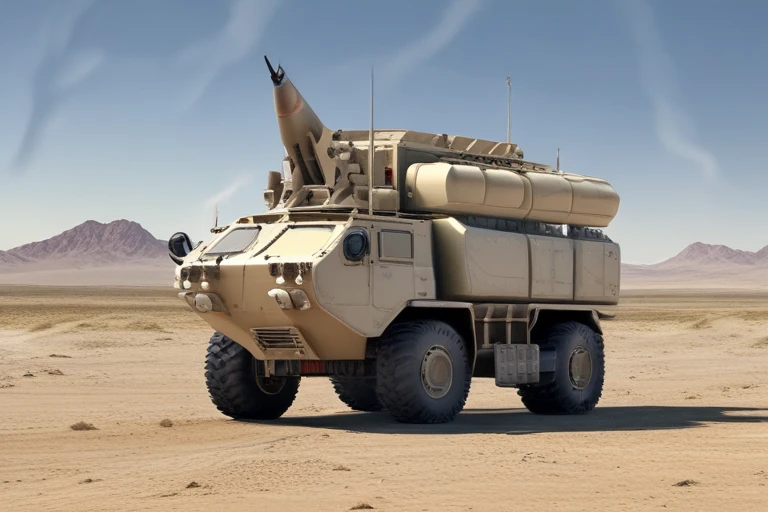
Recently, an unusual scene has been unfolding on the Daegu Air Force Base runway. The United Arab Emirates (UAE) Air Force's C-17 large transport planes, which flew across the hot war clouds of the Middle East, are landing one after another, showing urgent action. They came all the way to Korea without hesitation, and what they were loading onto their aircraft was none other than the Korean interceptor missile system ‘Cheongung-II’. We would like to conduct an in-depth analysis of why large-scale weapons systems that would normally have been transported safely and inexpensively via sea route were so urgently chosen to be transported by high-cost air transport, and what this phenomenon means for our defense industry.
The origin of this transport operation is the rapid change in the security environment in the Middle East region triggered by the Iran-Israel war. As the war entered a prolonged phase, major maritime logistics routes, including the Strait of Hormuz, were virtually blocked, making it impossible to introduce weapons through existing maritime transportation routes. From the UAE's perspective, it would not have been able to ignore the security vacuum that could arise if Cheongung-II, the core of its air defense network, was not supplied on time. In the end, the decision to clear the skyway by mobilizing eight transport planes, even at the cost of enormous costs, is proof that the missile threat felt locally is real and immediate. This is an example that goes beyond the simple introduction of weapons and clearly shows how ‘ammunition durability’ is an important variable in victory or defeat in modern warfare.
The prevailing opinion is that the actual performance of Cheongung-II has already been verified. The two artillery batteries deployed in the UAE during Iran's missile strike operated side by side with the American-made Patriot and Israeli-made Arrow systems, and fired more than 60 interceptors, recording an incredible success rate of 96%. This overwhelming performance served as a decisive opportunity for the Korean defense industry to rapidly emerge as a strong alternative in the global market, taking advantage of the gap in the West's existing air defense system suffering from supply shortages. In particular, the fact that Cheongung-II is not just a weapon in name, but plays a part in a multi-layered air defense network by shooting down enemy missiles in actual battlefields, is equivalent to securing the best promotional phrase 'Combat-proven' in the future export market.
This early delivery process served as an opportunity to once again prove the production efficiency and flexible response capabilities of our defense companies. Supplying bag number 3 one month to half a year ahead of schedule means more than just shortening the delivery date. This is an indicator of how flexibly related companies such as LIG Nex1, Hanwha Systems, and Hanwha Aerospace are operating their production lines, and how closely the military authorities and the defense industry are cooperating at a national level. The ‘Korean-style defense industry’s speed battle’, which was confirmed through exports to Poland, is now showing its true value even in the highly strategic location of the Middle East, and this will serve as a positive signal for the implementation of contracts with other countries such as Saudi Arabia in the future.
Of course, the diplomatic and strategic challenges that such rapid power supply brings must not be overlooked. The supply of weapons systems, which are deeply involved in the complex interests of the Middle East war, also requires our government to have sophisticated diplomatic risk management capabilities. In addition, coordinating production schedules between the priority of forces to be operated by our forces and export volume is a task that must be resolved in the process of becoming a defense industry powerhouse. Nevertheless, this early acquisition by the UAE means that South Korea has established itself as a key strategic partner that goes beyond a simple arms manufacturing country and provides practical support for the security of its allies and friends. Now Cheongung-II is going beyond a simple export item and is solidifying its status as a game changer that changes the flow of the global air defense market.
■ Conclusion and analysis outlook
The eight C-17 transport planes moored at the Daegu Air Force Base symbolize that the Korean defense industry has gone beyond simple technological superiority and has become a reliable ‘support of security’ even in tense combat situations. The strong presence of Cheongung-II, which opens the way to the sky even if the Strait of Hormuz is blocked, clearly suggests the direction in which our defense industry should move in the future. Now that the three factors of technological prowess, production capability, and actual field verification are in place, Korea will further enhance its status as a key country taking the lead in the global defense industry market. This incident is the clearest signal that a new heyday is dawning for the Korean defense industry.
* This post is an analysis column that is automatically recreated in the style of a current affairs critic's commentary by analyzing real-time Google Trends popular search terms and related major articles.
댓글목록 0
등록된 댓글이 없습니다.