
Meta Crisis: Communication at a standstill and the bare face of user p…
페이지 정보

본문
Meta Crisis: Communication has stopped and the true face of user protection has been revealed
Written on: June 13, 2026 | Column by current affairs critic specializing in IT/media
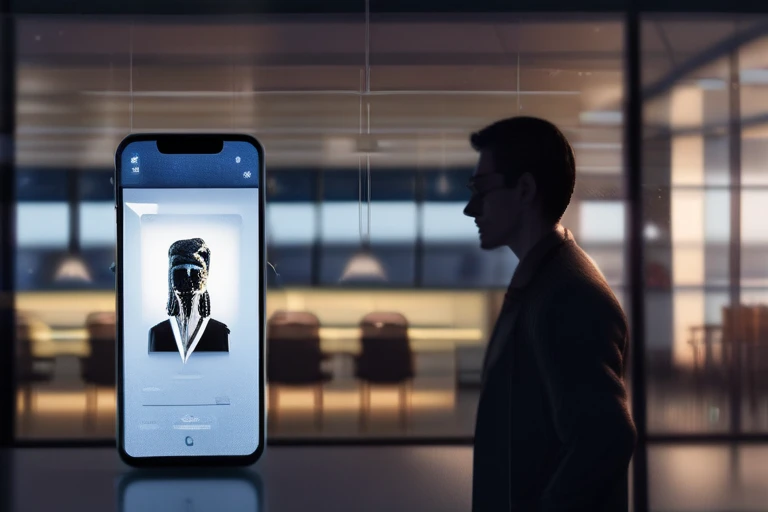
Social network services (SNS) have become like air in the daily lives of modern people. It has become so natural to check the feed, share precious moments, and communicate with the world in real time as soon as you open your eyes in the morning. However, on the night of the 12th, an unprecedented situation occurred where the small world in our hands was suddenly paralyzed. Meta's core services, such as Instagram, Facebook, and Thread, stopped working at the same time, and users around the world suffered extreme confusion and inconvenience. Coincidentally, on the same day, the company received a report card from domestic regulators stating that the level of user protection was ‘insufficient’, clearly revealing the structural weaknesses hidden behind the flashy exterior of the global giant platform.
This meta service failure was more than just a temporary connection error, it was an incident that clearly showed how dependent users around the world are on large platforms. This incident, which began around 11 PM on the 12th, was widespread across all services, from Instagram's story function to direct messages (DM). Real-time failure tracking sites such as ‘Downdetector’ were flooded with complaints from users around the world, and competing platforms such as Meta side was unable to provide an immediate answer regarding the official cause or recovery time, and users' frustration grew even more. In an age where digital connectivity has become the basis of daily life, this was a testament to how much the technological uncertainty of platform companies causes users to fear disconnection.
The results of the Korea Media and Communications Commission’s ‘2025 Evaluation of User Protection Work for Telecommunications Operators’, announced amid the chaos caused by the service outage, left a painful point to Meta. Instagram and the existing Facebook, which were included in the main evaluation for the first time this year, both received ratings close to failing, ‘insufficient.’ On the other hand, this is a result that stands in sharp contrast to domestic companies such as Naver and LG U+, which received ‘very good’ ratings across all services and were recognized for their active efforts to protect users. Through this evaluation, the authorities pointed out that large platforms are only providing a weak, door-to-door response in the process of preventing damage to users or handling complaints. In particular, as a value-added telecommunications service provider, efforts to prevent the distribution of rights-infringing information or to provide relief for false product information are still lacking, which remains an urgent task for improvement.
Meanwhile, despite the harsh reality of technological stability and policy evaluation, the SNS space is still creating various cultural phenomena. The recent success of the Netflix drama ‘True Education’ and the case of actor Kim Moo-yeol, who became a hot topic due to his resemblance to John Cena, clearly show how social media spreads cultural influence beyond borders. Additionally, brands such as Schoollooks implement a marketing strategy that closely communicates with students by introducing participatory content called balance games through Instagram. This suggests that the functions provided by the platform are not limited to simply sharing information, but are being used as a tool to evolve communication methods between companies and consumers. However, we must not forget that these positive uses are only sustainable if the platform operates stably and trust is established to protect users.
Meta has recently been making changes to increase algorithm transparency, such as introducing the ‘Your Algorithm’ function that allows users to directly adjust their interests. CEO Adam Mosseri put forward the justification of relieving users' anxiety about social media and returning the initiative in content consumption to users. The attempt to unravel complex algorithms in human language using artificial intelligence (AI) and large-scale language models (LLM) is certainly an encouraging change. However, in a situation where ‘stable connection’, the essence of the service, is not guaranteed and the service receives low scores in the public standard ‘user protection’ evaluation, it is unclear how much such technological advancement will actually lead to restoration of trust. In the end, the true value of the platform lies not in sophisticated recommendation algorithms, but in creating a stable and responsible environment where users can stay with peace of mind.
■ Conclusion and analysis outlook
This incident once again reminds us of the responsibility commensurate with the influence of global big tech companies. User inconvenience caused by technological paralysis is not a simple incident, but symbolizes the crisis of trust facing platform companies. As the regulatory authorities' evaluation shows, it is time to make user protection a core management strategy rather than dismissing it as a simple obligation. All platform operators, including Meta, must ensure the stability perceived by users and protect the forum for communication through more transparent and responsible operations. The true winners in the digital era will not be companies with cutting-edge algorithms, but companies that protect users' rights and trust to the end.
* This post is an analysis column that is automatically recreated in the style of a current affairs critic's commentary by analyzing real-time Google Trends popular search terms and related major articles.
- 다음글메타의 위기, 화려한 알고리즘 뒤에 가려진 ‘이용자 보호’라는 민낯 26.06.12
댓글목록
등록된 댓글이 없습니다.