
Beyond the canvas and into the digital age, the eternal legacy of colo…
페이지 정보

본문
Beyond the canvas and into the digital age, David Hockney's eternal legacy of color
Written on: June 12, 2026 | Column by current affairs critic specializing in IT/media
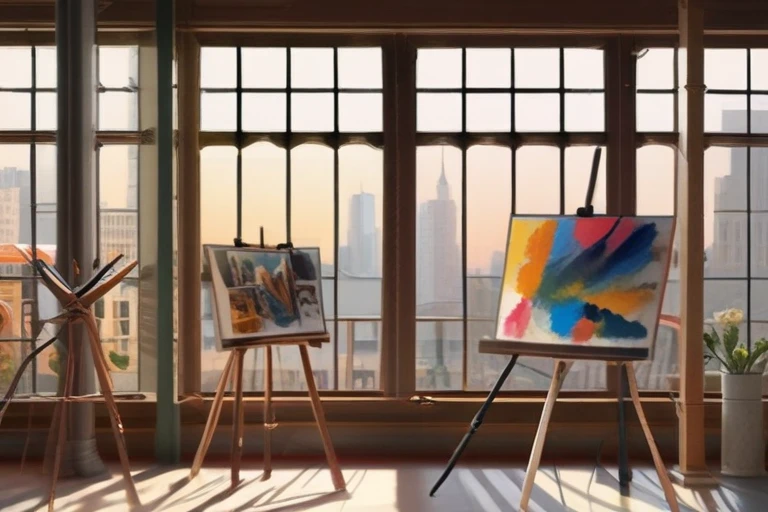
David Hockney, the master who redrawn the topography of 20th century modern art, left us at the age of 88. His name was more than just a proper noun referring to an artist, it was an icon and the spirit of the times that suggested the direction in which contemporary art should move. From the rippling waves of a swimming pool to the vast plains of Yorkshire, he has reinterpreted all the world's landscapes in his unique visual language. Now, we would like to look back on the artistic trajectory he pursued throughout his life and deeply reflect on how he broke down the boundaries of traditional painting and presented us with new visual experiences.
David Hockney was a pioneer who boldly led the revival of figurative art in the late 1950s and early 1960s, a time when abstract expressionism dominated the art world. He went beyond simply copying objects as they were and succeeded in capturing the attention of both the public and critics through paintings containing characters and narratives. In particular, the sophisticated colors and elaborate compositions found in his works provided new visual pleasure to audiences, and works such as 'Mr and Mrs Clark and Percy' were recognized for their art historical value as mirrors that reflect the lives and inner lives of modern people. While he adhered to traditional oil painting techniques, he retained the flexibility to evolve his style in an ever-changing artistic environment. His artistic obsession has established him as a central figure that defines the identity of modern art, beyond being a simple painter.
What makes Hockney special is his open attitude toward technology and his spirit of experimentation. Even as he got older, rather than being afraid of new tools, he actively embraced them as tools to expand his artistic expression. Initially, he focused on analog paintings, but he gradually introduced innovative works exploring light and color using digital devices such as fax machines, iPhones, and iPads. This is an example of how technology does not replace art, but how a richer sense can be conveyed through the artist's touch. He also showed deep insight into the impact that the advent of photography in the 19th century had on painting, and this technical curiosity was the driving force that allowed him to maintain his youthful sense well into his 80s.
His artistic influence went beyond the closed spaces of galleries and penetrated deep into the public's daily lives. When his hometown, Bradford, was selected as the 'British City of Culture of 2025', he visually imprinted the combination of technology and art on the public by implementing his iconic works in the sky through a digital exhibition using drones. In addition, by collaborating with brands such as Chateau Mouton Rothschild to complete wine label designs, we have continuously expanded our contact with the public, proving that art is by no means the exclusive property of artists. These actions suggest that his search for 'the way of looking', which he pursued throughout his life, was not simply limited to the canvas, but was open to the entire world we live in.
Deep exchanges with fellow artists and collaborations with figures such as photographer Annie Leibovitz made Hockney's art world more three-dimensional. Rather than being bound by a specific genre or medium, he sought ways to maximize visual enjoyment across painting, photography, and digital media. The Yorkshire landscape series shown in the 'A Bigger Picture' exhibition was the culmination of how he transforms Mother Nature into a grand narrative. Rather than conforming to the views of others or the demands of the times, he insisted on his own unique way of looking at the world. This stubbornness was the secret to his ability to maintain his dignity as an artist until the last moment, and will serve as an eternal example for future generations of artists.
■ Conclusion and analysis outlook
David Hockney's passing marks the loss of a huge star in the world of modern art, but the countless colors he left behind on canvas and digital screens will remain with us forever. He was a painter with a brush, a philosopher who understood technology, and a true artist who could look at the world with joy and wonder. The visual joy we feel while looking at his work will continue for generations to come. Now he has left us, but the questions he asked the world and the records of color will continue to inspire many people and brightly decorate the pages of art history.
* This post is an analysis column that is automatically recreated in the style of a current affairs critic's commentary by analyzing real-time Google Trends popular search terms and related major articles.
- 이전글삼성전자의 거대한 파동: 파운드리 잔혹사와 AI 시대의 새로운 승부수 26.06.12
- 다음글'거제 야호!'가 쏘아 올린 작은 공: 리센느가 증명한 숏폼 시대의 아이돌 생존 전략 26.06.12
댓글목록
등록된 댓글이 없습니다.