
Summer in the Korean industrial world, the ‘season of strikes’ is back…
페이지 정보

본문
Summer in the Korean industrial world, ‘strike season’ is back again
Written on: June 12, 2026 | Column by current affairs critic specializing in IT/media
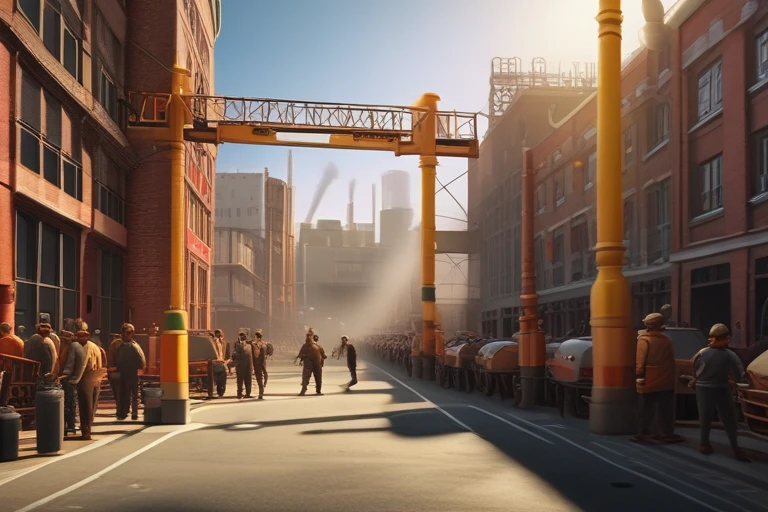
A red light has once again turned on in the heart of Korea's industrial sites, which were constantly running. The news of strikes that we hear every day goes beyond a simple wage tug-of-war between labor and management, and threatens the core driving force of the automobile and construction sectors, which are the blood vessels of our economy. Hyundai Motor Company's announcement of a breakdown in wage negotiations and the refusal to transport ready-mixed concrete in the metropolitan area each have different reasons, but underlying them are the age-old conflict surrounding the value of labor and the fierce struggle to protect each person's right to survive in a changing economic structure. It is time to take a deep look into what kind of impact the fragments of this conflict will have on our economy and where there is a solution for coexistence that will prevent both labor and management from collapsing.
The Hyundai Motors union is once again on the verge of a strike, formalizing the breakdown of negotiations after 11 rounds of negotiations. The union is strongly protesting, saying that despite the company recording record-high performance, the company is only making excuses that it is 'difficult' without providing specific proposals. The union's demands include not only an economic demand for an increase in basic salary and payment of 30% of net profits as performance bonus, but also fundamental changes to the future work environment, such as employment guarantee with the introduction of AI, introduction of a 4.5-day week, and extension of retirement age. The company is unable to come up with a comprehensive proposal due to uncertainties in the business environment and legal regulations to protect shareholders, and the gap between the two sides shows no signs of narrowing.
This move by the Hyundai Motors union is not simply an annual event repeated every year, but is interpreted as a head-on conflict between labor and management over how to solve the contemporary challenges of aging and technological innovation. In particular, extending the retirement age linked to the period of receiving national pension or introducing a full monthly salary system is not simply a matter of wages, but a serious issue that will change the employment structure of Hyundai Motors itself. The union is increasing the level of pressure by applying for mediation to the Central Labor Relations Commission on the 15th and announcing a strike vote on the 25th. Considering last year's precedent that an agreement was reached after three partial strikes, it is very likely that the worst-case scenario of production disruption ahead of the summer vacation season will become a reality this year as well.
In addition to the tension in the automobile industry, construction sites were faced with a virtual paralysis caused by the refusal to transport ready-mixed concrete. The strike by the ready-mix concrete transport union in the metropolitan area is showing signs of being prolonged, expanding from a simple issue of increased transport costs to a legal and institutional conflict over whether to recognize the union's bargaining position. As the provisional agreement reached through mediation by the Ministry of Land, Infrastructure and Transport was rejected in a vote by union members, ready-mix concrete manufacturers responded by rejecting the existing integrated negotiation method and saying they would switch to regional negotiations. As a result, damage is becoming visible, with concrete pouring being halted at key construction sites for national strategic industries such as Samsung Electronics' Pyeongtaek Campus and SK Hynix's Yongin Cluster.
Ready-mixed concrete cannot be replaced due to the nature of the material that must be poured immediately after production, so any stoppage at the construction site leads to an immediate process delay. Work stoppages at large industrial sites with closely aligned process schedules, such as semiconductor factories, go beyond simple delays and place a critical burden on the entire subsequent process. The reason why six economic groups expressed deep concern about this incident through a joint statement is because of the sense of crisis that this could go beyond a dispute in a specific industry and spread into a factor that threatens the supply chain of the entire national economy. The parallel between those who advocate for labor rights and manufacturers who emphasize contractual relationships in management clearly reveals the complexity of the labor market structure facing our economy.
■ Conclusion and analysis outlook
The conflicts our industry is currently experiencing are like growing pains that occur during a period of transition. Hyundai Motor Company's job instability, retirement age extension, and recognition of union status for ready-mix concrete transport drivers are all difficult issues that are difficult to solve by past standards. Strikes are a legal right of unions, but they should not be used as a means to shake the foundation of the national economy and bring about mutual destruction. Rather than insisting only on immediate profits, both labor and management must reframe the dialogue for sustainable shared growth in a rapidly changing industrial field. What is needed now is not a power struggle, but a cool-headed perception of reality and the wisdom of making concessions toward the future.
* This post is an analysis column that is automatically recreated in the style of a current affairs critic's commentary by analyzing real-time Google Trends popular search terms and related major articles.
- 이전글엘앤에프의 승부수, ‘하이니켈’의 수익성과 ‘LFP’의 영토 확장으로 위기를 기회로 바꾸다 26.06.12
- 다음글부산의 미래를 건 승부수, ‘북항 돔구장’이 던진 파격과 과제 26.06.12
댓글목록
등록된 댓글이 없습니다.