
From Strangers to Neighbors: Small Unifications Among Us, the Future o…
페이지 정보
작성자 playbbs 작성일 26-06-11 22:59 조회 85 댓글 0본문
From Strangers to Neighbors: Small Unifications Among Us, the Future of Settlement Support for North Korean Defectors
Date: June 11, 2026 | Column by IT/Media Current Affairs Critic
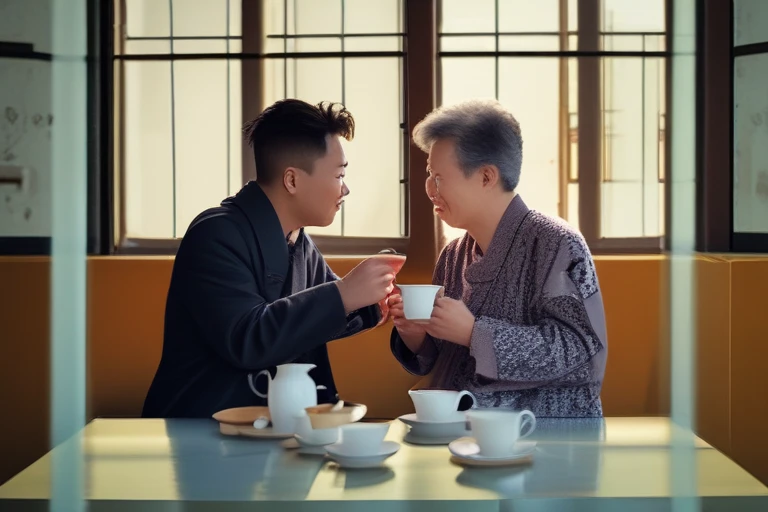
The grand discourse of peace and unification on the Korean Peninsula is often discussed from a macro perspective, such as summits or international relations. However, the true possibility of unification is being tested daily in our local neighborhoods, schools, and workplaces. The settlement process of North Korean defectors, who were born in the North and are designing their second lives in the South, goes beyond a simple personal adaptation period; it is a microcosm showing how people who have experienced different systems and cultures can merge into a single community. Recent multifaceted efforts across the country, including Daejeon, Incheon, and South Chungcheong Province, to help them settle stably suggest that our society is moving beyond the level of 'management' to a higher task of 'integration'.
Recently, local governments, police, and private organizations have been strengthening field-oriented support to break down the practical barriers faced by North Korean defectors. The Daejeon Metropolitan Police Agency has moved away from formal legal education, encouraging their will to settle by hosting cultural experiences and crime prevention quiz contests in which defectors participate directly. The Daejeon Transportation Corporation has also collaborated with the Daejeon Police and the Hana Center to build a customized safety education system for those unfamiliar with traffic systems and regulations. In particular, by strengthening education in fields directly linked to economic independence, such as driving or logistics, they are laying the foundation for them to grow as members of the local economy rather than mere welfare recipients. These efforts can be considered realistic and warm considerations to ensure that an unfamiliar traffic environment does not become the first barrier in their daily lives.
Educational support for the next generation is also attracting attention as a key link in settlement. The Incheon Seo-gu Council of the National Unification Advisory Council has been consistently carrying out projects to support workbooks and recommended books to ease the academic burden on the children of North Korean defectors. This is a long-term investment that goes beyond reducing economic gaps in households, helping children naturally blend into the educational environment of South Korean society and design their own dreams. Stable school life for children leads to family stability, which in turn creates a virtuous cycle that leads to building trust throughout the local community. The sense of belonging felt by the future generation will be the foundation for completing the true social integration that our society should aim for.
Policy research for the advancement of institutional support is also being actively conducted. The South Chungcheong Provincial Council, through a 'Research Group for Social Integration and Elimination of Discrimination against North Korean Defectors', established a Chungnam-style settlement support model and emphasized the need to build customized support systems by field, such as employment, welfare, and psychology. If previous support was focused on initial settlement, now a three-dimensional policy design that improves the quality of employment and embraces psychological stability is required. The researchers emphasized that forming relationships with local residents is essential to resolve the sense of isolation experienced by North Korean defectors. This means that policy must evolve beyond provider-centered administrative procedures into a form that listens to the voices of the parties involved and accompanies them in the flow of their lives.
Finally, the most important change is the improvement of our society's perception. Viewing North Korean defectors only as objects of unilateral help can become a prejudice that blocks their capabilities. They are valuable witnesses who have experienced both North and South lives, and neighbors with the potential to act as bridges to lead the future era of unification. The case of the Nam-Buk Hana Volunteer Corps in Gongju, where North Korean defectors participate directly in local community service and become subjects of sharing, shows that our society's inclusiveness has matured. When we remove discrimination and prejudice and create a culture of mutual respect, North Korean defectors will be able to proudly establish themselves as healthy members of our society.
■ Conclusion and Analysis Outlook
Support for the settlement of North Korean defectors should never remain a one-time event or charitable welfare. This is the most concrete and realistic unification preparation process to heal the wounds of division and practice the reality we will face after unification. When small interests and support occurring throughout the local community gather to thicken the trust of the community, unification will become our daily life, not a distant slogan. Now is the time to embrace North Korean defectors as partners in mutual understanding and cooperation beyond objects of management, and to build a systematic and sustainable support network so that they can grow into dynamic members of our society. The one warm hand we extend today will be a big step toward opening a peaceful future.
* This post is an analysis column automatically regenerated in the style of a current affairs critic by analyzing real-time Google Trends popular search terms and related major articles.
댓글목록 0
등록된 댓글이 없습니다.