
A mask called ‘love’: a clash of economic values that threatens marr…
page information

text
A mask called ‘love’: A clash of economic values that threatens marriage
Written on: June 24, 2026 | Column by current affairs critic specializing in IT/media
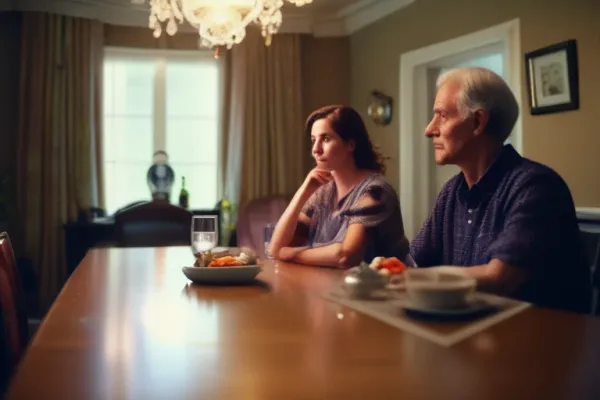
The phrase “marriage is reality” goes beyond simply worrying about living expenses; it is a test of how two people who grew up in different environments can overcome the huge barrier of economic values. Without exception, sensitive keywords such as ‘money’ and ‘in-laws (or in-laws)’ are at the center of marital conflicts that have recently heated up online communities and media. Why do couples who seemed to be able to embrace everything before marriage end up talking about divorce after marriage, accusing each other of being cheaters due to minor property issues? We would like to take an in-depth look at the economic conflicts of modern couples, which are too complex to be simply dismissed as one side's selfishness.
The first point to pay attention to is the psychological sense of betrayal that comes from changes in attitude before and after marriage. Many people have a romantic attitude during their dating life, saying "home is not important," but this changes after marriage when realistic housing conditions are secured or when expectations are not met. Cases of people expressing blatant dissatisfaction with the gift of an apartment, saying, "You should have given me the house my parents-in-law live in," or instantly destroying the trust built up over 9 years because the redevelopment promise was broken, prove how weak the economic foundation of the marriage relationship is. This conflict goes beyond a simple 'money issue' and spreads into a 'disagreement in values' about how the spouse treats his or her parents and how the couple plans their future, and can even cause severe depression and panic disorder.
The second is the unbalanced economic support between the wife's family and the in-laws and the resulting difference in sense of responsibility. The conflict between a wife who wants to use the large amount of pocket money she received from her parents as seed money to buy a house, and a husband who wants to use the money to replace his parents' car is the most classic and fatal type of conflict experienced by modern couples. The husband proudly claims that he is "being filial to my parents," but from the wife's perspective, the enormous support she received from her parents from the beginning of marriage, the indifference of her in-laws, and the fixed expenses she sends to her in-laws every month overlap, leading to criticism that she is "selfish." When there is no agreement about where the money should come from and whether it should be used for the couple's joint future or their respective families of origin, the home quickly turns into a battlefield where interests clash.
Third is the stark difference in perception between men and women regarding life after divorce. According to a survey of singles considering remarriage, women cited the 'sense of freedom from in-laws' gained after divorce as the greatest value, while men cited 'fear of property division' as the biggest obstacle. This is the result of a conflict between the traditional notion that men are responsible for the household economy and women's desire to escape the shackles of housework and supporting in-laws. This difference in perception is giving rise to new forms of union in the remarriage market that emphasize economic independence or maintain only partnerships. Ultimately, if past failures were due to economic fault, future combinations will require more thorough asset verification and an independent economic structure.
Lastly, the examples of those who quietly preserve the essence of family despite such conflicts have great implications for us. The 'filial piety' method shown by stars loved by the public does not simply force sacrifice, but contains the wisdom of finding realistic alternatives. Sharing emotional warmth by attending parents-in-law in close proximity, or taking care of their health by utilizing their expertise, is the result of sublimating the sense of responsibility hidden behind the name of daughter-in-law to maturity. This is possible not because of good economic conditions, but because the priority of the relationship is placed on ‘mutual respect’ rather than ‘compensation psychology’. Compared to cases where mother-in-law conflict reaches its peak and leads to catastrophe, their actions raise fundamental questions about what family is and what kind of being we should be to each other.
■ Conclusion and analysis outlook
Ultimately, the core of all conflicts is ‘expectations’ and ‘communication’. Attempts to use the other person's parents as a financial safety net through marriage, or arbitrary decisions to invest joint assets into one's family of origin, are all shortcuts to catastrophe. A true couple must go beyond economic interests and be partners who coordinate each other's values and plan the future together. Before legally considering whether or not it is grounds for divorce, it is time to seriously think about whether what I am asking my spouse to do is reasonable and how to build our own independent fence.
* This post is a commentary by PlayBBS that analyzed real-time Google Trends popular search terms and related major articles.
Comment list
There are no registered comments.