
The carbon dioxide warning that hit the peaceful commute, the full sto…
페이지 정보
작성자 playbbs 작성일 26-06-16 12:02 조회 120 댓글 0본문
The carbon dioxide warning that hit the peaceful commute to work, the full story of the commotion at Anam Station
Written on: June 16, 2026 | Column by current affairs critic specializing in IT/media
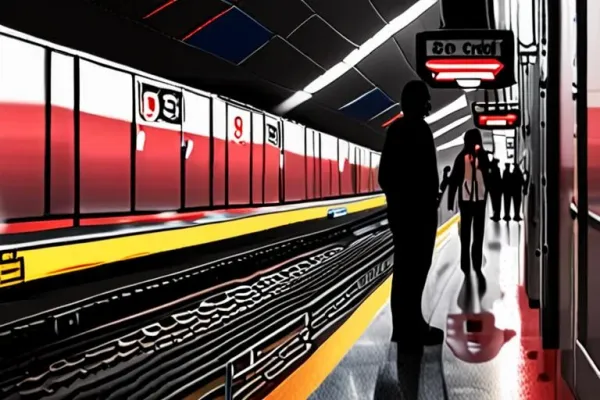
On the morning of the 16th, which was no different from usual, users of Anam Station on Seoul Subway Line 6 were heartbroken by a sudden gas leak warning. It was a dizzying moment when a routine firefighting facility inspection could have easily led to a major accident, but fortunately, prompt evacuation and action were taken and the incident ended without any major casualties. However, it is necessary to closely examine the specific circumstances and implications of why a situation that threatened the safety of citizens was created during the safety inspection process. This accident has become a clear example of how careful attention and compliance with safety manuals are required even for minor inspection activities around us.
The accident began with firefighting equipment inspection work conducted at the substation on the first basement floor of Anam Station on the morning of the 16th. According to the drivers, the inspection began around 9:40 a.m., and about an hour later, at around 10:40 a.m., an unexpected release of carbon dioxide occurred. As the carbon dioxide extinguishing device, which is the core of the firefighting equipment, activated, gas rapidly flowed into the station, causing anxiety among citizens and causing an emergency evacuation. Station staff and passengers at the scene sensed immediate danger and moved out of the station, and Seoul Transportation Corporation recognized the seriousness of the situation and immediately completely controlled the use of the station.
Seoul Transportation Corporation's response was prompt. Immediately after the gas leak was confirmed, the corporation took quick action by informing nearby citizens of the situation through safety text messages and recommending a detour. In particular, to prevent further damage until the gas concentration at the accident site reached a safe range, trains in both directions on Line 6 were allowed to pass through Anam Station without stopping. This non-stop action lasted for about 20 minutes, during which time fire authorities, police, and officials from related organizations were dispatched to the scene and focused on determining the exact cause and amount of the gas leak.
What is noteworthy in this incident is the nature of the ‘fire inspection’ that caused the accident. It is ironic that a safety accident occurred during the essential inspection process to maintain and improve safety of aging subway station facilities. Some reports suggest that device malfunction or poor operation may have occurred during the gas container inspection process, and a detailed investigation into this is currently underway. Fortunately, it was determined that there were no casualties from this accident, but it sends a chill down my spine to think about what the consequences would have been if the gas concentration had been higher or if evacuation had been delayed.
The accident scene was quickly completed in about 20 minutes. At 11:01 a.m., the corporation confirmed that all carbon dioxide inside the station had been emitted, completed safety inspections, and normalized train operations and station operations. The safety robots and other recovery equipment that were deployed at the time of the accident were immediately withdrawn, and Anam Station returned to its normal state. This accident once again reminded us of the dangers that firefighting equipment can have in the closed environment of public transportation, such as the subway. Although it is best to prevent accidents, this reaffirms the fact that how organically the response system operates in the event of an accident is directly related to the lives of passengers.
■ Conclusion and analysis outlook
As a result, this Anam Station carbon dioxide leak accident ended with 'no accident', but we were left with the task of 'safety inspection'. Firefighting equipment inspection is an essential process to protect the safety of citizens, but thorough prior control and worker training must be carried out to ensure that the process itself does not become a risk factor. Related authorities, including the Seoul Transportation Corporation, should not dismiss this accident as a simple incident, but should prepare supplementary measures to block gas leaks at the source during similar inspection operations. It is also time for citizens to once again reflect on their mature civic consciousness of not panicking and evacuating quickly according to on-site instructions when unexpected safety information text messages are sent.
* This post is a commentary by PlayBBS that analyzed real-time Google Trends popular search terms and related major articles.
댓글목록 0
등록된 댓글이 없습니다.