
Will the leak of ‘security assets’ in the name of dismantling the coun…
page information

text
Will the leak of 'security assets' in the name of dismantling the counterintelligence agency repeat the tragedy of 8 years ago?
Written on: June 16, 2026 | Column by current affairs critic specializing in IT/media
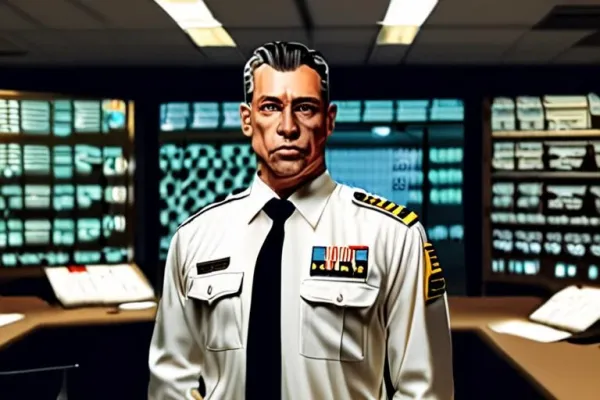
Changing the name of a military intelligence agency is not simply an act of changing the name of the organization, but an important task that reorganizes the eyes and ears of the nation. However, there are deeper concerns than expected within and outside the military regarding the disbandment and functional reorganization of the Armed Forces Counterintelligence Command, which the Ministry of National Defense is currently pursuing. This is because the painful history of the large-scale return of manpower, which was carried out eight years ago by disbanding the Defense Security Command overcoming political controversy, ultimately led to the exodus of skilled security experts, is once again surfacing. What have we learned from past mistakes, and is this reorganization taking us down the path of true defense innovation?
At the time of the disbandment of the Defense Security Command in 2018, the Ministry of National Defense carried out large-scale manpower reductions and return to base under the pretext of securing political neutrality. According to data obtained by the National Defense Committee of the National Assembly at the time, 112 of the 181 field officers who were returned to the military service, 61.9%, were found to have taken off their military uniforms within three years. In particular, the discharge rate of major-level officers, the core working class, was close to 60%, which suggests that a large number of professional personnel in the counterintelligence and security fields, trained by the government with a huge budget, were unable to withstand the failure to adapt within the organization and personnel disadvantages and left in large numbers. Counterintelligence work is not a skill that can be acquired in a short period of time, but is a highly specialized field that involves decades of field experience and know-how. This loss of human assets directly led to a vacuum in national security capabilities.
This plan to disband the Counterintelligence Service also includes a plan to reduce or return to the original force about 1,000 of the approximately 3,000 personnel, increasing anxiety that a situation similar to that of the disbandment of the Defense Security Command in the past will unfold. The Ministry of Defense promises to take great care to ensure that there are no personnel casualties, but soldiers in the field remain skeptical. In the past, those who returned to the Yuan Dynasty had to receive personnel orders that were virtually demotion, such as being placed in an unfamiliar environment in a field unit and in a position where they could not demonstrate their expertise. An organizational reorganization that focuses solely on 'reducing personnel' without any practical position management measures or a roadmap for an honorable transition is likely to repeat the tragedy of turning elite agents who have dedicated themselves to national security into political victims.
Meanwhile, there are also strong voices of self-reflection about the rigid culture and inappropriate command behavior within the military organization. The recent suspicion that a lieutenant colonel at the Capital Corps Headquarters forced a pregnant female officer to come to work early and verbally abused her, ultimately leading to a miscarriage, proves that the military's sensitivity to human rights still does not keep up with the times. On the outside, they claim to introduce cutting-edge technology and make the organization more efficient, but internally, there is a deep shadow of top-down cooperation in which even basic service regulations such as protection for pregnant women are not followed. Minister of National Defense Ahn Kyu-baek is visiting military academies and emphasizing the training of elite officers and nurturing future defense talent, but if the organizational culture that does not respect human rights and expertise in the field is not improved, any reform plan will be nothing more than an empty echo.
The essence of organizational reorganization should not be unconditional disbandment and reduction, but how to preserve and develop functional expertise. The confusion in the command system and loss of motivation of professional personnel that occur in the process of dispersing counterintelligence, security, and security investigation functions into the Defense Counterintelligence Headquarters, Investigation Headquarters, and Security Support Group, respectively, are very fatal risk factors. Strict disciplinary action and legal punishment for those involved in the 12/3 martial law emergency is a natural course, but regardless, if the majority of soldiers who have silently contributed to national counterintelligence work are disadvantaged by wholesale payments, the morale of the entire military is bound to decline. Authorities must be painfully aware that it takes decades to cultivate talent, but it only takes one wrong personnel order to let them go.
■ Conclusion and analysis outlook
The disbandment and reorganization of the counterintelligence agency should be the final gateway to establishing the military's political neutrality, and should not become another large-scale outflow of security professionals. The government and military authorities should use the painful figures revealed during the disbandment of the Defense Security Command eight years ago as a lesson to learn and preemptively present specific and effective personnel measures that can ensure career development and use of expertise for returning personnel. In addition, eradicating human rights violations and outdated practices within the military and creating an environment where capable officers can serve with pride is the starting point for true defense innovation. Rather than a reorganization that blinds us to security, we look forward to a reasonable reorganization that can protect the country more brightly and sophisticatedly.
* This post is a commentary by PlayBBS that analyzed real-time Google Trends popular search terms and related major articles.
- Previous postThe meeting of soccer legends and music craftsmen, a new wave brought about by the World Cup cheering song 26.06.16
- next post2026 North and Central America World Cup, the beginning of a global festival and analysis of the hot situation 26.06.16
Comment list
There are no registered comments.