
Hermes’ clever transformation: beyond the era of ‘ownership’ to the er…
페이지 정보
작성자 playbbs 작성일 26-06-15 11:42 조회 311 댓글 0본문
Hermes’ clever transformation: beyond the era of ‘ownership’ to the era of ‘experience’
Written on: June 15, 2026 | Column by current affairs critic specializing in IT/media
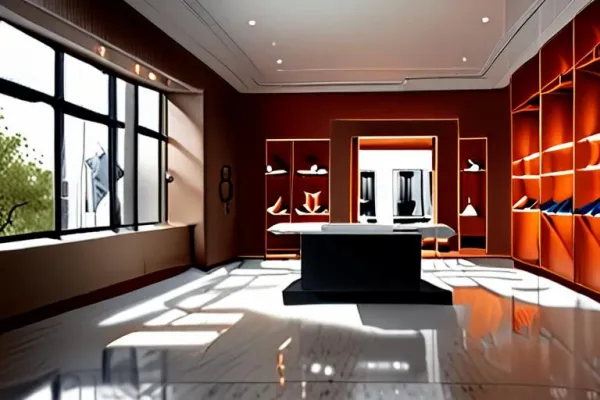
A sassy luxury brand has taken to the streets and started talking to consumers. Hermes, which has been shrouded in mystery, is launching an ‘escape room’ game in the middle of Seoul, and digital platform CJ OnStyle is delivering a luxury experience to the home through its luxury beauty line. It is a completely different landscape from past marketing, which simply used scarcity as a weapon and maintained a high price policy. We have now entered an era where luxury goods sell the sense of immersion that customers feel within the worldview designed by the brand, rather than the product itself. What kind of tectonic shift is this change causing in the consumer market?
Hermes’ DDP exhibition ‘Mystery at the Grooms’ clearly shows that the paradigm of luxury marketing has shifted from ‘one-way display’ to ‘two-way communication’. Instead of simply appreciating the bags on display, visitors become detectives tracking down the secrets of the stables and learn firsthand the history of ‘horse gear,’ the foundation of the brand. This strategy, which removes the price tag of the product and replaces it with the brand's philosophy and craftsmanship, makes consumers perceive Hermes not as a 'thing' but as a 'culture they want to experience'. The phenomenon of pre-orders being sold out and long waiting lines proving how much consumers now crave the process of immersing themselves in and sharing the brand's worldview. This type of experiential marketing is evaluated as a much more effective investment in increasing loyalty and intimacy with the brand rather than increasing short-term sales.
While offline immersive experiences are being strengthened, the expansion of luxury beauty accessibility through digital platforms is also a notable change. CJ OnStyle established over 70 premium beauty brands, including Hermes Perfume, in the ‘Lux Beauty Hall’, proving that online shopping is no longer centered on low-priced products. In particular, we used a content commerce tool called live commerce to convey our brand heritage, and even expensive serums and devices were sold out. This suggests that consumers are willing to consume expensive luxury goods in a mobile environment based on the trust guaranteed by official importers. The high per-unit price and loyalty of the premium customer base presented a challenge for the distribution platform to go beyond a simple sales outlet and become a curation platform that represents the value of the brand.
Such actions by luxury brands are also reflected in the keyword ‘transparency’ even in highly technical areas such as watchmaking. The skeleton watch lineup introduced by Hermes maximizes technical completeness and formative beauty by exposing the internal mechanism to the outside. Unlike before, when only the splendor of the exterior was emphasized, the internal structure and operating principles of the product are now incorporated into the brand identity. This means that when purchasing products, consumers have a stronger tendency to go beyond just the brand and also consume technological value and the sweat of craftsmen. Ultimately, brands gain the trust of consumers by clearly showing them, ‘I am a brand with this technology and philosophy,’ and are deeply embedded in their lives.
The value of luxury goods is now expanding its influence by becoming an icon in our daily lives. The sight of world-renowned CEO Jensen Huang wearing Hermes sneakers or a Dior jacket at official events shows that modern luxury is no longer a solemn attire, but has become ‘part of a lifestyle’ encompassing business and daily life. This phenomenon means that luxury goods are moving away from the perception that they are the exclusive property of a certain class and are being widely used as a means of self-expression and a symbol of success. Brands are now faced with the challenge of consistently conveying their brand identity to consumers across all touchpoints, including experiential exhibitions, digital platforms, and everyday fashion items. As consumers' tastes become more fragmented, brands need to capture their hearts with more sophisticated and diverse strategies.
■ Conclusion and analysis outlook
The changes in the luxury goods industry, led by Hermes, are clear. Consumers are no longer satisfied with simply paying a high price to own a product. They participate in the narrative built by the brand, verify the brand's expertise through digital platforms, and find symbols that represent their values in their daily lives. For companies, this change is not a crisis, but an opportunity to secure the vitality of their brands in the long term. In the future market, success will be determined not by brands that simply sell a lot of products, but by how in-depth experiences and values they provide to customers' lives. The future of luxury goods will come to us smarter and more intimately.
* This post is a commentary by PlayBBS that analyzed real-time Google Trends popular search terms and related major articles.
- 이전글 The heat of the 2026 World Cup, the complex dynamics between countries crossing each other on and off the soccer field.
- 다음글 The 2-on-2 fierce battle that heated up the night in Dallas, Japanese soccer's survival report for the North and Central American World Cup
댓글목록 0
등록된 댓글이 없습니다.