
A rapidly changing international order: from the remains of Afghanista…
페이지 정보
작성자 playbbs 작성일 26-06-13 22:18 조회 56 댓글 0본문
The changing international order: From the remains of Afghanistan to the dawn of a new Cold War
Written on: June 13, 2026 | Column by current affairs critic specializing in IT/media
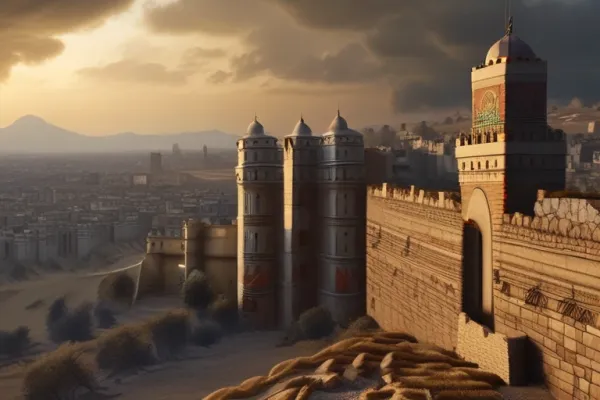
Today, the world is going through an era of chaos where unpredictable moves run rampant, as if on a giant chessboard. From the conflict between India and Pakistan, a legacy of the Cold War, to the struggle for hegemony among major powers in the vacuum left by the withdrawal of Afghanistan, the international situation is more complex and intertwined than ever. In particular, amid criticism that the influence of the United States is no longer what it used to be, it has become more important to understand the link between how regional conflicts escalate into global confrontations. In this column, we will delve into the dynamics of international politics hidden in fragmented news and analyze from various angles what kind of future this portends for us.
The geopolitical tragedy surrounding Afghanistan has gone beyond a simple regional conflict and has become a strategic test for great powers. The sudden withdrawal of U.S. troops left a huge power vacuum in the region, which soon led to sharp conflict between the interests of neighboring countries. In particular, the long-standing enmity between Pakistan and India is becoming more complicated as it spreads into a proxy war between the global powers of the United States and China. The United States used Pakistan as a key partner on the anti-Soviet front in the past, but is currently using a new strategy to strengthen cooperation with India and keep China in check. These changes suggest that each country is flexibly reorganizing its existing alliance structure to pursue its own interests, and clearly shows how fierce the battle is between each country on the unstable soil of Afghanistan.
The confrontation between the United States and Iran in the Middle East is another key factor that is aggravating anxiety in the international community. As the local conflict between Israel and Iran spread into the direct intervention of a huge power called the United States, the war entered a completely different dimension than before. The tactical battle over striking nuclear facilities goes beyond simple military action and is becoming a trigger that shakes the balance of power in the entire Middle East. The United States seeks quick suppression based on its military superiority, but Iran harbors the possibility of a long-term guerrilla war based on its vast territory, complex terrain, and concentrated will to resist. This proves that short-term victories like the Gulf War of the past are no longer difficult to reproduce in modern warfare, and suggests the strategic limitations facing the United States.
As the interests of major powers become entangled, the actions of Russia and China are also something to watch closely. Even though Russia is trapped in the quagmire of the Ukraine war, it is showing strategic flexibility to use the chaos in the Middle East as an opportunity to recover its economy and expand its influence. On the other hand, China is taking advantage of the United States' focus on the Middle East and Afghanistan to focus on testing its military capabilities and expanding its influence. In particular, the move to challenge the Western-centered order through consultative bodies such as BRICS means that the existing international order is rapidly transforming into a multipolar system. While America-centered value diplomacy is gradually losing its power, the world is being asked to walk a more sophisticated diplomatic tightrope than ever before as new alliances centered on practical interests are formed.
The actions of emerging powers such as India are also another variable in global politics. India is pursuing 'pragmatic balanced diplomacy' between the United States and China, thoroughly prioritizing its own national interests, and is breaking away from the existing logic of factions and making its own independent voice. This means that neighboring countries, which used to follow the decisions of powerful countries, have now emerged as independent actors who determine their own fate. Meanwhile, the climate crisis, refugee issues, and economic inequality have combined with traditional conflicts between countries to become more difficult to resolve. In the process of merging these fragmented issues into one large flow, each country is faced with a double whammy of achieving internal solidarity and external strategic cooperation at the same time.
■ Conclusion and analysis outlook
In conclusion, the current international situation can be defined as an 'era of uncertainty' in which there is no single winner. The reverberations of Afghanistan still threaten regional stability, and the flashpoint in the Middle East is ready to spread into a global economic and security crisis at any time. As the competition for hegemony led by the United States and China intensifies, the agony of countries located in the middle zone will inevitably deepen. Rather than resting on the alliance model of the past, we must now establish new survival strategies that keep pace with the changing geopolitical environment. In the end, the winner will not be a country with strong military power, but a country that can respond flexibly to the changing international order and secure both peace and utility.
* This post is an analysis column that is automatically recreated in the style of a current affairs critic's commentary by analyzing real-time Google Trends popular search terms and related major articles.
댓글목록 0
등록된 댓글이 없습니다.