
War clouds are clearing in Hormuz, oil prices are shaking, and the tas…
페이지 정보
작성자 playbbs 작성일 26-06-13 11:57 조회 91 댓글 0본문
War clouds clearing in Hormuz, oil prices faltering, and the tasks ahead of us
Written on: June 13, 2026 | Column by current affairs critic specializing in IT/media
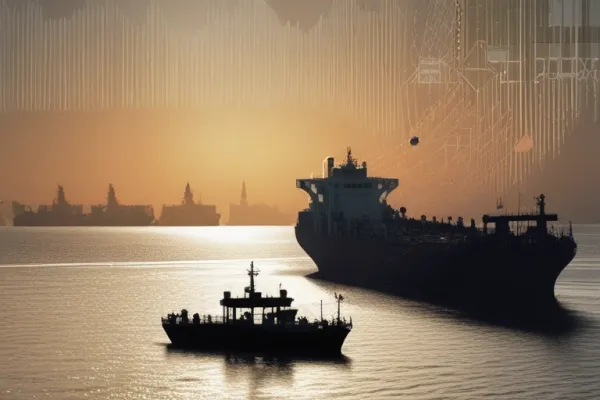
The pendulum of the tense international situation is rapidly tilting toward peace. It appears that the powder keg of the Middle East, which has been shaking the world economy for a long time, is finally ready to take off the detonator. When news broke that the United States and Iran had reached a tentative agreement to end the war, global markets immediately reacted enthusiastically and expressed relief. Investors and governments around the world, who have been anxious about the uncertainty of the crude oil supply chain, can now finally take a breather. However, we need to take a cool-headed look at what kind of impact this dawn of peace will have on our daily lives and industry as a whole, and what essence we must not lose sight of in this wave of change.
The core of this agreement is that the signing of the 'Islamabad Memorandum of Understanding', which aims to reopen the Strait of Hormuz, is imminent. The fact that U.S. President Donald Trump evaluated the process of ending the war with Iran very positively and mentioned the schedule for the signing ceremony is evidence that both sides have acknowledged that there is no longer any benefit in continuing the wasteful armed conflict. In particular, this agreement includes very specific and bold measures such as dismantling Iran's nuclear program and dismantling related facilities, heralding the mitigation of fundamental geopolitical risks beyond a simple ceasefire. Military tensions surrounding the Strait of Hormuz have been the main cause of the surge in oil prices and the biggest source of instability in global crude oil supply and demand. Now, the energy industry, which had been struggling to find a detour in its supply chain, is expected to have some breathing room, and this is expected to be a decisive opportunity to lower global inflationary pressures.
Energy markets responded immediately. International oil prices fell sharply for two days in a row, with both Brent and WTI falling to their lowest levels in months. Experts analyze that this plunge in oil prices does not simply mean that geopolitical risks have disappeared, but also suggests that the global crude oil supply chain has become resilient enough to absorb shocks. The decline in oil prices has increased due to the combination of China's slowing demand, the United States' record-breaking crude oil export capacity, and the securing of alternative routes that bypass the strait. However, domestic oil prices are showing a stagnant trend that is somewhat different from international prices due to policy factors such as the maximum oil price system that has been implemented. It remains to be seen to what extent the downward trend in international oil prices will be reflected in domestic gas station prices over a 2-3 week lag, but as the risk of war in the Middle East has been eliminated, downward pressure on oil prices is expected to gradually intensify.
Meanwhile, huge changes in the working environment are being felt in the industry, especially in the telecommunications sector. The recent case in which the Labor Relations Commission recognized LG U+'s subcontracted workers as users of the main contract is the first unprecedented ruling in the telecommunications industry since the implementation of the Yellow Envelope Act. This is a strong signal that the rights of workers who have been hidden in the shadow of subcontracting will be recognized even though installation, repair, and maintenance work is directly related to the quality of service of the main contractor. Telecommunications companies have been operating sites through subsidiaries and partners, but this decision increases the likelihood that demands for direct negotiation will spread in the future. Other telecommunications companies with similar structures, such as SK Broadband, are also expected to be busy preparing future repercussions and countermeasures amid tensions, which is expected to set a new standard for the working environment and labor-management relations across the telecommunications industry.
There is also noteworthy news in the areas of technology and management. NVIDIA's CEO Jensen Hwang appeared on a domestic entertainment program and showed off his deep ties with Korean businessmen and affection for the Korean technology industry, once again confirming Korea's strategic importance in the competition for global AI hegemony. He shared his management philosophy by emphasizing the importance of resilience and character without fear of failure, which deeply resonated with the public. On the other hand, in the evaluation of user protection work by the Korea-U.S. Unification Committee, telecommunications companies were given the task of establishing a proactive damage prevention system beyond reactive response. As damage patterns become more complex as new technologies spread, companies are faced with the demands of the times to receive a high level of report card not only in the pursuit of profits but also in their social responsibility to protect user rights and interests.
■ Conclusion and analysis outlook
Currently, we are simultaneously facing the economic good news of falling oil prices through geopolitical stability and the social challenges of changing the labor environment and strengthening corporate responsibility. It's good to see the war clouds in the Middle East lifting, but that doesn't immediately guarantee a rosy future. In a rapidly changing international situation, Korean companies must establish preemptive strategies to secure the flexibility of the global supply chain and at the same time protect key internal assets such as workers and users. As global leaders emphasize, only companies and countries that nurture their resilience through pain and failure will be able to lead this complex era of great transformation. We hope that the energy of peace will serve as a catalyst for economic recovery, and now is the time when we need wisdom to solve our internal structural challenges one by one.
* This post is an analysis column that is automatically recreated in the style of a current affairs critic's commentary by analyzing real-time Google Trends popular search terms and related major articles.
댓글목록 0
등록된 댓글이 없습니다.